
Roof Replacement & Re-Roofing
A full new roof, engineered for Gulf-Coast sun, wind, and rain - and built to pass Florida code.
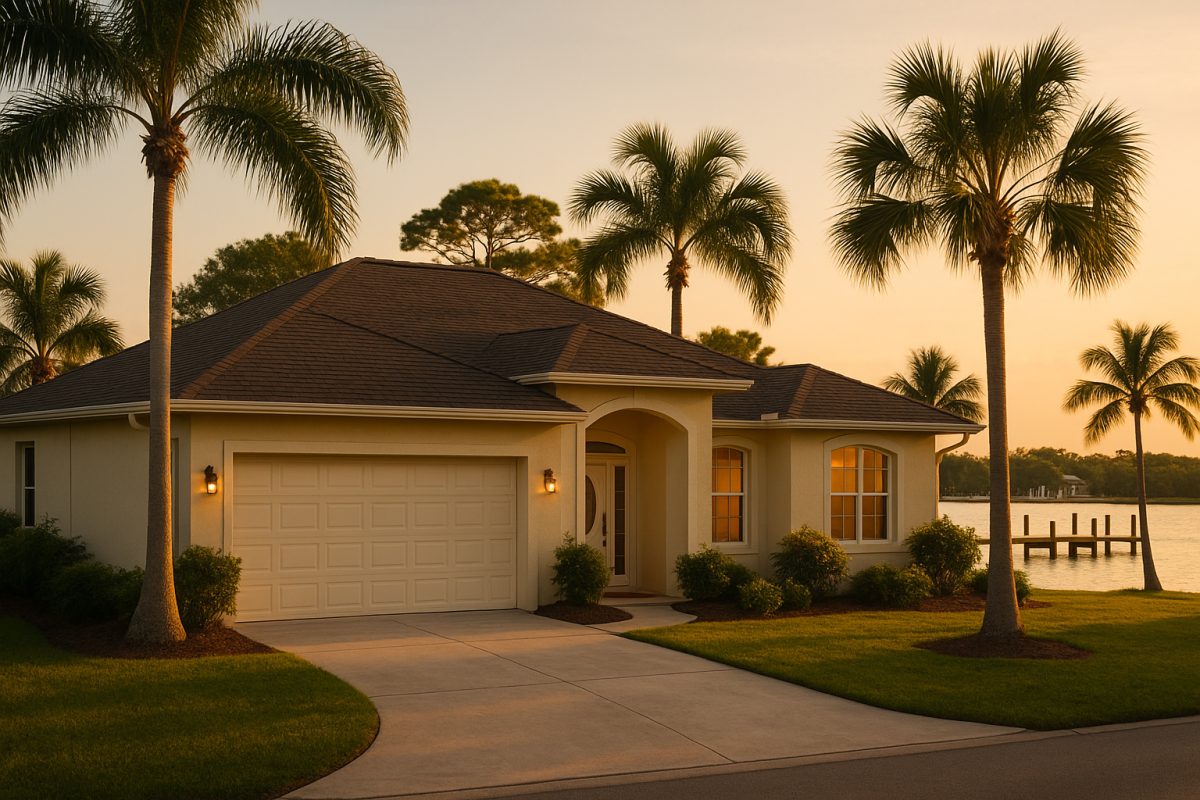
Roofing for Nokomis and Casey Key - mainland homes, canal and waterfront properties, and barrier-island estates that all live close to the water.
Nokomis sits in the gap between Sarasota and Venice, and it stretches from ordinary mainland streets all the way out across Casey Key to the Gulf. That geography gives it a roofing profile you won't find in a tidy subdivision: modest mainland homes, canal-front and waterfront properties on the inland waterway, and high-end estates strung along the barrier island. The roofs range just as widely - workhorse shingle on the mainland, tile and coastal metal out on the key - and the right answer for one address is often the wrong one a mile away.
What every Nokomis roof shares, no matter the price of the house under it, is exposure. This is water country. The Gulf is on one side, Dona Bay and the canals thread through it, and salt air and wind are a constant rather than an occasional event. A roof here isn't fighting the weather a few days a year - it's in the fight every day, and the materials and the installation have to be chosen with that in mind.
Casey Key is the extreme end of it. It's a narrow barrier island, and barrier islands take the full force of any storm coming ashore off the Gulf - nothing stands between these homes and the water. Out here wind uplift and salt corrosion are the two roof-killers, and they work together: salt weakens the fasteners and flashing that are supposed to hold the roof down, and then the wind finds the weak spot. A key roof that isn't built for that exposure is living on borrowed time.
The mainland is more straightforward, and honestly a lot of it is just good, plain roofing work. Catching a wind-lifted shingle or a small leak before it soaks the interior. Replacing a roof that the sun has worn out. Getting ahead of a roof that an insurer is about to flag at renewal. It's less dramatic than island work, but it's the bread and butter of keeping a Nokomis home dry and insurable.
Tying it all together is a climate that ages roofs faster than almost anywhere. The UV bakes the oils out of asphalt until it turns brittle. Salt air corrodes metal and eats at fasteners from the coast inland. Wind-driven rain probes every lifted edge and tired seam, and the daily heat-then-afternoon-storm cycle works things loose a little more each season. Add the annual hurricane threat that a barrier island feels most of all, and Nokomis roofs simply don't get the easy life a roof gets up north.
And then there's insurance, which nobody escapes here - not the modest mainland home and not the estate on the key. Florida carriers have grown strict about roof age and condition, and many won't write or renew a policy on a roof past a certain point. A documented, code-compliant roof with a wind-mitigation report keeps you insurable and can earn premium credits that matter more every year. We're local, licensed, and insured, we live and work on this coast, and - unlike the storm-chasing crews that sweep through after a hurricane and vanish - we'll be here when you need the warranty.
On Casey Key and the waterfront, the enemy is the pair of salt and wind working together. Salt corrodes fasteners and flashing and chalks and pits older metal, quietly weakening the very parts that are supposed to keep the roof attached; then wind uplift - the real hurricane threat on a barrier island - pulls at whatever the salt has loosened. We answer that with corrosion-resistant materials rated for coastal exposure and enhanced fastening, and we obsess over the edges, valleys, and penetrations where salt-driven failure starts. Done right, that same enhanced fastening earns the wind-mitigation credits island and waterfront owners badly need on their insurance.
On the mainland, the work is more honest and straightforward: catching problems before they cost you the interior. A wind-lifted or cracked shingle, a small leak around a vent or valley, a roof the sun has finally worn out. We'd rather find a mainland issue while it's a repair than after it's soaked the drywall and the insulation. And where a roof is genuinely at the end of its run, we say so plainly and get ahead of the insurer instead of waiting for the non-renewal letter.
Across all of Nokomis, storm season sets the calendar. When weather comes off the Gulf, Casey Key feels it first and hardest, but wind-driven rain finds tired roofs on the mainland too. We prioritize emergency dry-in to stop water getting in, then do a thorough, photographed inspection you and your adjuster can both trust - and we tell you honestly whether what we find is a repair or a replacement.
Metal is the coastal workhorse out here, and standing-seam in particular earns its place on Casey Key and the waterfront. Installed with corrosion-resistant fasteners and clean edge detailing, metal shrugs off salt and wind and can outlast the mortgage - but "installed correctly" is the whole game this close to the water, where sloppy edge and flashing work fails fast no matter how good the panel was.
Tile - concrete and clay - is the other coastal choice and the look on many of the key and waterfront estates. It can last decades, but the waterproof underlayment beneath it lasts far less, so on an established tile roof the smart move is often a lift-and-relay: pulling the tile, replacing the worn underlayment, and resetting it, rather than paying for a whole new roof when the tile itself has years left.
Architectural asphalt shingle carries the mainland, where it's the budget-friendly, high-wind-rated choice for Nokomis's modest homes and the newer subdivisions like Calusa Lakes and Bellacina. And for lanais, flat sections, and low-slope areas, we install membrane and coating systems built to drain and endure the sun rather than rely on pitch.
From a single flashing leak to a full tear-off - the same care whether you're on the water or inland.
A full new roof, engineered for Gulf-Coast sun, wind, and rain - and built to pass Florida code.
Leaks, missing shingles, cracked tiles, flashing failures - found fast and fixed right.
Emergency tarping, honest damage assessment, and help documenting your insurance claim.
Free, no-pressure inspections for buyers, sellers, insurers, and peace of mind.
A simple, four-step process with no surprises and no pressure.
We climb up, photograph everything, and give you an honest read on your Nokomis roof's condition and remaining life.
A clear, fixed price with your options spelled out - shingle, tile, or metal - and no vague estimates.
Our own crews do the work to Florida code, protect your property, and clean up like we were never there.
A workmanship warranty, the manufacturer's warranty, and the wind-mitigation documents your insurer wants.
These are the questions that separate a real, accountable roofer from a fly-by-night crew. Ask them of us - and of everyone else you're considering.
Our answer to every one of these is yes - and we're glad to prove it.
After every big storm, out-of-state crews flood Nokomis, sign up a few streets, and disappear before the warranty ever matters - sometimes leaving botched work and botched insurance claims behind. We're the opposite of that.
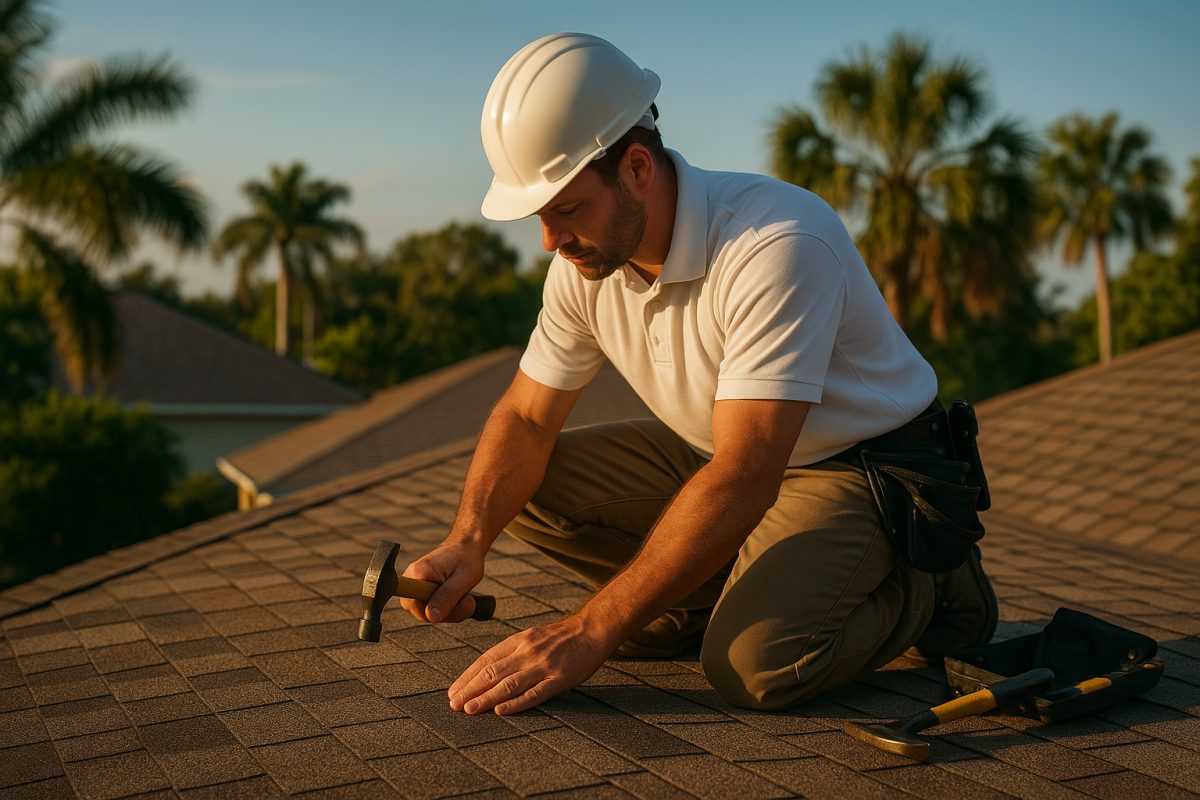
Yes - Casey Key is a big part of what we do, and barrier-island roofing is its own discipline. These homes take the full force of any storm off the Gulf, so we use coastal-grade, corrosion-resistant materials and install to enhanced wind standards. That's what lets a key roof actually deliver the decades of life its material promises instead of failing early at the edges.
It can. Canal-front and waterfront homes get more salt air and wind exposure than a house a few streets inland, which pushes toward corrosion-resistant materials and careful flashing and fastener details. We look at where your home actually sits relative to the water and spec the roof for that exposure, not for a generic inland house.
Two things, usually working together: salt corrosion and wind uplift. Salt eats at the fasteners and flashing that hold a roof down, and then wind finds the weakened spot and starts lifting. That's why we use corrosion-resistant materials and enhanced fastening near the water and pay close attention to the edges and penetrations where this kind of failure begins.
Metal and tile outlast shingle in this salt-and-wind environment by a wide margin when they're installed correctly - metal can outlive the mortgage, and tile can run for decades with the underlayment refreshed along the way. Architectural shingle is the budget-friendly choice and still performs well on the mainland; near the water the key is coastal-rated materials and proper installation.
Fast - we're local, so we're not driving in from out of state after a storm. We prioritize emergency dry-in, a secured tarp or patch, to stop water getting in, then do a thorough, photographed inspection you and your adjuster can rely on. Barrier-island homes get hit first and hardest, so we know to check them carefully.
It depends on age and condition, and Florida carriers have gotten strict - many won't renew a policy on a roof past a certain age, whether it's a mainland home or an estate on the key. We give you an honest inspection so you know where you stand, and a documented, code-compliant replacement resets the clock and can earn wind-mitigation credits that soften the cost.
Almost always it's the underlayment, not the tile. The waterproof layer beneath the tile wears out in a fraction of the time the tile itself lasts, so the roof leaks even though it looks perfect from the street. We can often lift the existing tile, replace the underlayment, and relay it - a "lift and relay" that costs far less than a full new roof.
It depends on the roof's age and how widespread the problem is. A younger roof with damage in one area is usually a repair; a roof that's worn out across the board, or one an insurer is about to flag, is usually a replacement. We give you a straight answer either way - on the mainland especially, catching a small problem early often means a repair instead of a replacement.
Because the water demands more. Corrosion-resistant materials, enhanced fastening for wind uplift, and careful coastal flashing and edge detailing all cost more than a standard inland shingle roof - but they're what keep a roof attached and intact on Casey Key and the waterfront. A cheap coastal roof is just an expensive one you end up paying for twice. Roof size, pitch, and system all factor in too, which is why we inspect and quote in writing rather than guess over the phone.
Yes - we're a licensed and insured Florida roofing contractor serving Nokomis, Casey Key, and the surrounding Sarasota County communities. That matters everywhere, but especially on a barrier island where the work has to meet coastal wind standards. We install to Florida code and stand behind the roof with a warranty we're here to honor.
Free inspection, an honest assessment, and a clear written quote - no obligation, no pressure.
Get a Free Quote