
Roof Replacement & Re-Roofing
A full new roof, engineered for Gulf-Coast sun, wind, and rain - and built to pass Florida code.
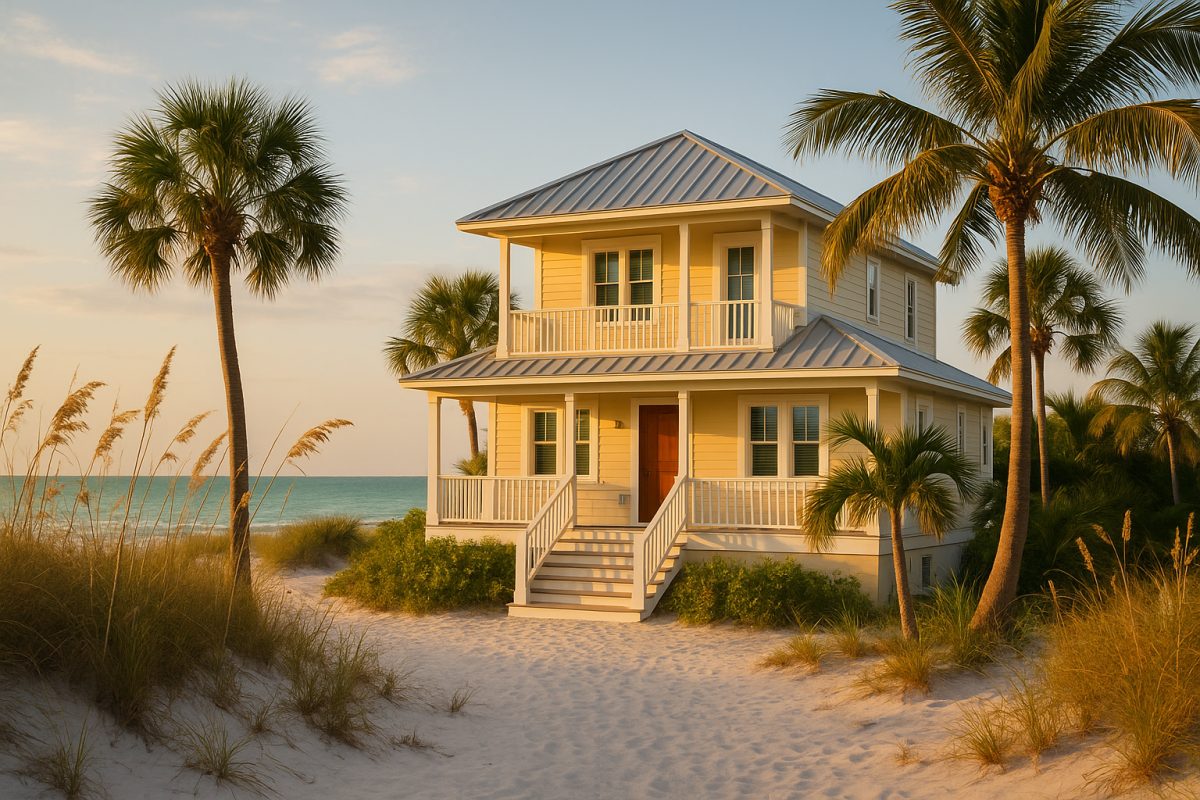
Roofing on Siesta Key - built for the salt, sun, and Gulf storms of the harshest roofing environment on this coast.
Siesta Key is the barrier island off Sarasota that the whole world knows for its beach - the quartz-white sand at Siesta Beach that stays cool underfoot and draws visitors from everywhere. But the same Gulf that made the island famous makes it the harshest place a roof can live on this coast. Out here a roof takes relentless salt air, full unbroken sun, steady wind, flood exposure, and the direct force of any storm that comes ashore off the water - all at once, all year. A roof that would coast along for decades a few miles inland lives a much harder, shorter life on the key unless it was chosen and built for it.
The homes here reflect that. Siesta Key skews high-value, and a large share of them are vacation rentals - booked much of the year and expensive to take offline. That shapes the whole roofing conversation. An island roof isn't just protecting a structure; it's protecting a serious asset and, for a rental, a stream of income that a leak or a blown-off section can interrupt overnight. Owners here can't afford a roof that fails early, and they can't afford weeks of downtime while it gets sorted out.
That's why tile and standing-seam metal dominate Siesta Key roofs, and budget shingle is comparatively rare. Tile and metal simply beat shingle on salt and wind - they hold up to the corrosion and the uplift that define island exposure. But the material is only half the story, and it's the half most people focus on by mistake. A premium tile or metal roof installed like an inland roof will still fail out here, because salt attacks a poorly-built roof from the edges in, working through cheap fasteners and sloppy flashing long before the field of the roof gives up.
So on the island, the details are everything: corrosion-resistant fasteners and flashing, clean edge detailing, and careful work at every valley and penetration where salt-driven failure begins. Get those right and a roof delivers the decades its material promises; get them wrong and you've bought an expensive roof you'll pay for twice. The other non-negotiable is wind. Uplift - the wind getting under the roof and peeling it off - is the real hurricane threat on a barrier island, so enhanced fastening isn't a luxury here, it's the difference between a roof that stays on and one that doesn't.
There's a bonus to doing that fastening right, and on Siesta Key it matters more than most places: it earns wind-mitigation insurance credits. Florida's insurance market has grown brutal, carriers have gotten strict about roof age and coastal condition, and island owners feel that pressure as hard as anyone. A documented, code-compliant roof built to enhanced wind standards keeps you insurable and can shave real money off a premium that only ever seems to climb. We're local, licensed, and insured, we work this coast year-round, and - unlike the storm-chasing crews that flood the island after a hurricane and vanish before the warranty matters - we'll be here when you need us.
On Siesta Key, salt is the enemy that never lets up. It corrodes fasteners and flashing, pits and chalks older metal, and shortens the life of anything that wasn't rated and installed for coastal exposure - and it does its damage at the edges, valleys, and penetrations, where wind-driven salt spray collects and works its way in. That's why a proper island roof is judged at its edges, not its middle. We use corrosion-resistant materials rated for the coast and obsess over the detailing at every edge and penetration, because out here that detailing is what decides whether a roof lasts.
The second half of island roofing is wind, and on a barrier island the two problems compound. Salt quietly weakens the very fasteners and flashing that are supposed to hold the roof down, and then a storm off the Gulf finds whatever the salt has loosened and starts to lift. We break that chain by installing to enhanced wind-uplift standards with corrosion-resistant hardware, so the roof stays attached when it's tested - and that same enhanced fastening is exactly what earns the wind-mitigation credits Siesta Key owners need on their insurance.
For the many owners renting their island homes out, we also work to a schedule that respects the booking calendar. A re-roof on the key can't drag on indefinitely when every dark week is lost income, so we plan the job tightly, keep the property dried-in and protected throughout, and move with the urgency an income property deserves. And when a storm does hit, being genuinely local means we're on the island fast for an emergency dry-in - not a mainland crew arriving a week late to a home that's already taken water.
Tile - concrete and clay - is the classic high-end Siesta Key roof, and it can last decades against sun and salt when it's detailed for the coast. The catch is the one our climate makes unavoidable everywhere: the waterproof underlayment beneath the tile wears out long before the tile does, so an island tile roof can leak while every tile still looks perfect. When that happens the smart move is often a lift-and-relay - pulling the tile, replacing the failed underlayment, and resetting the same tile - rather than paying for a whole new roof, and near the water we pair it with corrosion-resistant fasteners and flashing so the refreshed roof actually lasts.
Standing-seam and other metal systems are the true coastal workhorse on Siesta Key, and for good reason: installed correctly, metal shrugs off salt and wind and can outlast the mortgage. But "installed correctly" is the entire game this close to the Gulf. A metal roof lives or dies on its fasteners and its edge and penetration detailing, so we specify corrosion-resistant hardware, detail every edge cleanly, and fasten to enhanced wind standards - because a coastal metal roof done cheap doesn't save money, it just fails from the edges in and costs you the whole thing again.
A full new roof, engineered for Gulf-Coast sun, wind, and rain - and built to pass Florida code.
Leaks, missing shingles, cracked tiles, flashing failures - found fast and fixed right.
Emergency tarping, honest damage assessment, and help documenting your insurance claim.
Free, no-pressure inspections for buyers, sellers, insurers, and peace of mind.
We use corrosion-resistant fasteners, flashing, and metals rated for coastal exposure, and we detail every edge, valley, and penetration carefully - because that's where salt-driven failure actually starts. Salt eats a poorly-built roof from the edges in, so on the island the hardware and the detailing matter as much as the roofing material itself. A premium roof installed like an inland roof will still corrode and fail early out here.
Both beat budget shingle on a barrier island, and the right choice comes down to your home and your priorities. Tile gives you the classic upscale island look and can last decades, though its underlayment will need refreshing along the way. Standing-seam metal is the coastal workhorse - it handles salt and wind exceptionally well and can outlast the mortgage. We'll look at your home, your exposure, and your budget and give you a straight recommendation rather than pushing one over the other.
It can. A documented, code-compliant roof installed to enhanced wind standards earns wind-mitigation credits, and on a barrier island - where carriers scrutinize roof age and coastal condition hardest - those credits are exactly the ones worth capturing. We install to those standards and make sure you get the right wind-mitigation report, so the roof both stays on in a storm and helps hold down a premium that only ever wants to climb.
Yes, and we plan island re-roofs around the booking calendar because we know every dark week is lost income. We schedule the work tightly, keep the property dried-in and protected the whole time so it's never exposed, and move with the urgency an income property deserves. The goal is to get you back to rentable as fast as a quality coastal roof can honestly be installed.
Wind uplift - the wind getting under the roof at the edges and peeling it off - is the threat that matters most on a barrier island, because nothing stands between your home and a storm coming ashore off the Gulf. We install to enhanced fastening standards so the roof stays attached when it's tested, and we pay special attention to the edges and corners where uplift forces are highest. That same enhanced fastening is what earns your wind-mitigation credits.
Because on Siesta Key the roof fails at its edges, not its middle. Salt-driven corrosion attacks the fasteners and flashing at the perimeter, valleys, and penetrations, and wind uplift pulls hardest at those same edges - so if the hardware and detailing there aren't coastal-grade and installed right, the roof gives way there first no matter how good the field material is. We treat the edges and penetrations as the most important part of the job, because out here they are.
Because the island demands more of them. Corrosion-resistant fasteners and flashing, coastal-rated tile or metal, enhanced wind-uplift fastening, and careful edge detailing all cost more than a standard inland shingle roof - but they're what let a roof survive out here. A cheap coastal roof isn't a bargain; it's an expensive roof you pay for twice. Roof size, pitch, and system factor in too, which is why we inspect and quote in writing rather than guess over the phone.
Fast - we're local, so we're not driving in from out of state after a storm hits the island. Barrier-island homes get hit first and hardest, so we prioritize an emergency dry-in - a secured tarp or patch to stop water getting in - and then follow with a thorough, photographed inspection you and your insurance adjuster can both rely on. Being here on this coast is the whole point; the roofers who vanish after a storm are the ones you can't reach when it counts.
We're not a storm-chasing outfit passing through Siesta Key. We live and work on the Suncoast year-round, we're licensed and insured, and our name is on every roof we build.