
Roof Algae Streaks in Florida: What Those Black Stains Really Are
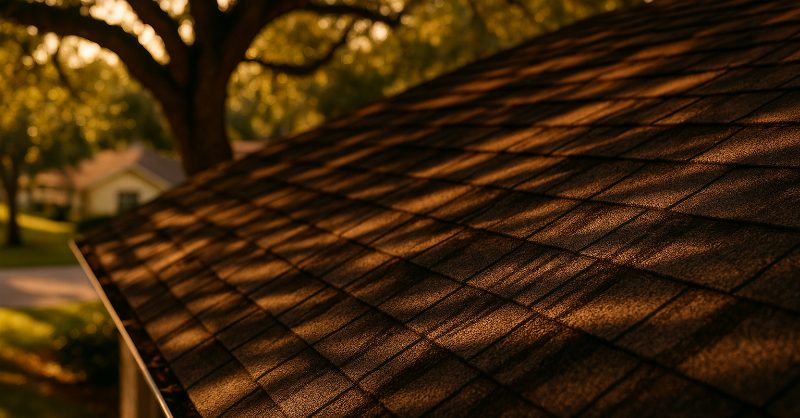
Those dark streaks creeping down your roof aren't something you can just ignore and repaint over in the spring. They are alive, they are spreading right now, and Florida's climate is basically a five-star resort for the organism causing them. Understanding what you're actually dealing with is the first step toward protecting one of the biggest investments you own.
The Culprit Has a Name: Gloeocapsa Magma
The black and dark gray streaks you see on asphalt shingle roofs across Sarasota, Bradenton, Lakewood Ranch, and the rest of the Suncoast are almost always caused by a cyanobacterium called Gloeocapsa magma. It is not mold. It is not mildew. It is not soot or road dirt blown up from the street. It is a photosynthetic microorganism, meaning it feeds on sunlight, moisture, and the limestone filler that manufacturers use in asphalt shingles.
Here is the part that surprises most homeowners: those streaks are not actually the living organism itself. What you see is the dark, UV-protective sheath the bacteria secretes around its colonies to shield itself from the Florida sun. The organism is protecting itself, and in doing so, it is staining your roof a shade that absorbs more heat than clean shingles ever would.
The bacteria spreads through airborne spores. Once a single colony takes hold on the north-facing or shaded section of your roof, it reproduces and migrates downward with rainwater, wind, and the natural slope of your roof. A streak that looks minor from the curb in January can cover half a roof face by summer if nothing is done about it.
Why Florida Roofs Are Especially Vulnerable
Most of the country deals with algae streaks to some degree, but nowhere is the problem as aggressive as it is in warm, humid coastal climates like ours. Sarasota averages roughly 55 inches of rain per year. Combine that with temperatures that rarely dip below 50 degrees Fahrenheit, intense UV exposure, and the sea-level humidity that blankets everything from Siesta Key to Anna Maria Island, and you have a year-round growing season for Gloeocapsa magma.
A few specific factors make Suncoast roofs particularly susceptible:
- Tree canopy and shade. Homes in older neighborhoods in Downtown Sarasota, Downtown Bradenton, and Nokomis often sit under mature tree canopy. Shaded roof sections stay damp longer after rain, giving algae more time to establish and grow.
- Roof pitch. Low-slope roofs drain slowly. Water lingers on shallow pitches far longer than it does on a steep gable, and standing moisture is exactly what algae colonies need to spread.
- Shingle age and condition. Older shingles lose their protective granule coating over time. As the limestone filler becomes more exposed, algae has easier access to its food source. If you are unsure how much life your shingles have left, our guide on how long a roof really lasts on the Suncoast gives a clear breakdown by material type.
- Proximity to water. Homes along the Intracoastal Waterway, on barrier islands like Anna Maria Island, and near the many lakes and retention ponds throughout Lakewood Ranch and Port Charlotte have consistently higher ambient humidity, which accelerates algae growth.
- North-facing roof sections. North-facing slopes dry out more slowly because they receive less direct sunlight. These areas are almost always where you see the first streaks appear.
Does Algae Actually Damage Your Roof?
This is a fair question, and the honest answer is: yes, over time, but not immediately. In the short term, algae streaks are primarily a cosmetic issue. The staining itself does not eat through shingles overnight.
The longer-term concern is more serious. The dark pigmentation caused by algae colonies absorbs significantly more solar heat than clean, reflective shingles. In a climate where roof surface temperatures already reach 150 to 160 degrees Fahrenheit on a summer afternoon, that added heat load accelerates the breakdown of the asphalt binder in your shingles. Granules loosen and wash off faster. The shingle becomes brittle sooner than it should.
There is also the moisture retention issue. Algae colonies hold moisture against the shingle surface. Over seasons, that persistent dampness can begin to compromise the integrity of the underlying mat and, in some cases, the decking beneath. This is not a disaster scenario in year one, but a roof that has been visibly colonized for five or more years without treatment is a roof that is aging faster than it should be.
Beyond algae, persistent roof moisture creates favorable conditions for moss and lichen, which are considerably more damaging. Moss roots physically pry up shingle edges. Lichen bonds to shingle granules and, when eventually removed, often takes granules with it. Treating algae early prevents these harder-to-manage organisms from following. If you are seeing more than just streaking, it is worth having a professional evaluate the extent of the damage. Our roofing services page explains what that kind of inspection and treatment looks like in practice.
How to Tell Algae From Other Roof Problems
Not everything dark on a roof is algae. Homeowners sometimes mistake algae streaks for other issues, so it helps to know what you are looking at.
- Algae streaks run in long vertical or diagonal lines following the direction of water flow. They are uniform in color (dark gray to black) and often more prominent on north-facing slopes.
- Mold or mildew tends to look patchier and greener or greenish-gray. True mold on a roof often indicates a moisture problem beneath the surface.
- Moss is unmistakably green and has a raised, fuzzy texture. You can feel it if you run a hand across the shingle.
- Lichen looks like crusty gray or greenish-gray patches that appear almost painted on. It is harder to remove than algae or moss and signals long-term dampness.
- Granule loss or oxidation creates uneven or faded patches without the streak pattern characteristic of algae runoff.
If you are genuinely uncertain what is going on with your roof, a professional inspection is the fastest way to know for certain. Our post on what a roof inspection actually checks walks through exactly what a thorough inspector evaluates, so you know what to expect.
Safe Removal: What Works and What Makes Things Worse
The most important rule when cleaning algae off asphalt shingles is this: do not pressure wash. A pressure washer set high enough to blast away algae staining will also strip the protective granule layer from your shingles. You will remove the streaks and simultaneously shorten the life of your roof by years. It is a trade that never makes sense.
The industry-accepted approach is a low-pressure chemical wash using a diluted sodium hypochlorite (bleach) solution, typically mixed with water and a surfactant to help it cling to the surface. Applied correctly at low pressure, this kills the algae colonies and allows the staining to fade over the following weeks as rain and UV exposure do their work. Do not expect the staining to vanish immediately after treatment. The discoloration lightens gradually, which confuses some homeowners into thinking the treatment did not work.
A few things to keep in mind if you are considering a DIY approach:
- Protect your landscaping thoroughly before applying any bleach solution. Rinse plants before, during, and after treatment.
- Work on a calm, overcast day. You do not want the solution drying on the shingles before it has time to work.
- Never mix bleach with other cleaning agents, especially ammonia-based products.
- Fall protection matters. Florida roofs are sloped and often still damp from morning dew or recent rain. Working at height without the right equipment is genuinely dangerous.
For most homeowners, having a professional handle the cleaning is safer and produces better results. A contractor familiar with Suncoast roofs knows the right dilution ratios and application methods for Florida shingle types.
Preventing Algae From Coming Back
Cleaning the roof once is not a permanent solution. Gloeocapsa magma spores are everywhere in the air, and a treated roof can begin to show new growth within a year or two under Florida conditions. Prevention is an ongoing effort, but there are some practical steps that genuinely help.
Zinc or copper strips. Metal ions from zinc or copper are toxic to algae. Installing a strip of zinc or copper flashing just below the ridge cap means that every rain event washes a small amount of metal ion down the roof surface, inhibiting new colony formation. This is a well-established and relatively low-cost preventive measure.
Algae-resistant shingles. Most major shingle manufacturers now offer products with copper granules blended into the shingle coating. If your roof is approaching replacement age, choosing an algae-resistant product is a smart long-term investment. This is worth discussing during any estimate conversation.
Tree trimming. Keeping branches trimmed back from the roofline improves airflow, reduces debris accumulation, and allows more sunlight to reach the shingle surface. This is one of the simplest and cheapest things a homeowner can do to slow algae growth.
Regular maintenance. Clear gutters and roof valleys of leaf litter and organic debris. Decomposing material holds moisture and gives algae (and moss) a nutrient-rich surface to colonize.
If your roof is already showing significant wear alongside the algae problem, it is worth getting a professional opinion on whether cleaning makes sense or whether replacement is the smarter investment. Our post on signs your roof needs replacing, not just patching can help you frame that decision before you spend money on treatment.
When Algae Streaks Are a Symptom of a Bigger Problem
Sometimes, algae growth is accelerated by an underlying roofing issue. Improper ventilation, for example, causes excess moisture to build up in the attic and radiate through the decking, keeping the shingle surface perpetually damp from below. If your algae problem returns unusually fast after treatment, or if you are seeing growth concentrated in specific areas rather than the whole north-facing slope, ventilation or flashing issues could be contributing.
Similarly, if your roof is more than 15 years old and showing extensive algae coverage, it may be worth a broader assessment. A roof that is at or near the end of its service life in Venice, Englewood, or Port Charlotte is going to face hurricane-season stresses regardless of algae, and pairing a cleaning project with a thorough condition evaluation is just good use of your time and money. Our full overview of roofing services we provide is a good starting point if you want to understand your options.
Getting a Professional Set of Eyes on Your Roof
Algae streaks are common enough on Suncoast roofs that many homeowners have simply stopped noticing them. That familiarity can breed a false sense of security. The streaks are not an emergency, but they are a signal that your roof needs attention, and attention now is almost always cheaper than attention after damage compounds.
Whether you are in Sarasota, Bradenton, Lakewood Ranch, or anywhere else across our service area, a simple inspection can tell you whether you are dealing with a routine cleaning job or something that warrants deeper evaluation.
If you have questions about what you are seeing on your roof, or you want to schedule a no-pressure assessment, reach out to our team. We are happy to take a look, explain what we find, and give you a straight answer about what makes sense for your home.