
Roof warranties when selling or buying a Florida home
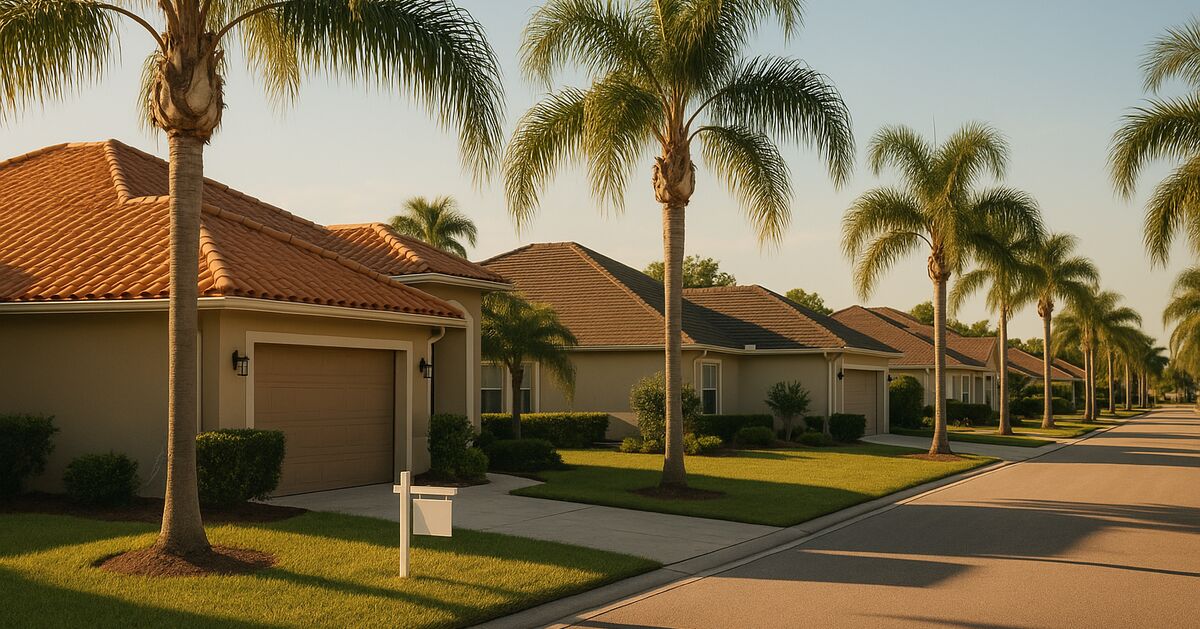
Your roof warranty might be one of the most overlooked documents in a Florida real estate transaction - and one of the most consequential ones.
Whether you are selling a home in Lakewood Ranch, buying a bungalow on Anna Maria Island, or closing on a condo near Downtown Sarasota, understanding what happens to your roof warranty at the moment of sale can save you thousands of dollars and a lot of frustration. Most homeowners only think about the roof when something is visibly wrong. But the warranty attached to that roof has its own rules, its own fine print, and its own clock - and a sale can reset, void, or transfer all of it, depending on what kind of warranty it is and which manufacturer or contractor issued it.
Let's walk through exactly how this works.
The three types of roof warranties you are likely to encounter
Not all roof warranties are the same. Before you can understand what happens at closing, you need to know which kind of warranty is in play.
1. Manufacturer's material warranty
This covers defects in the roofing materials themselves - shingles, tiles, metal panels, underlayment. If a shingle delaminates prematurely or a tile batch was fired incorrectly and cracks within a few years, this is the warranty that applies. Manufacturers like Owens Corning, GAF, CertainTeed, and others offer these, typically ranging from 25 years to lifetime coverage on premium products.
The catch: manufacturer warranties are almost always prorated after the first 10 to 15 years, meaning the older the roof, the less the manufacturer will actually pay out. Many also require that the original installation was done by a certified installer, and some require registration within a set window after installation.
2. Contractor's workmanship warranty
This covers the quality of the installation itself - flashing details, nail patterns, underlayment laps, penetration sealing. If the crew made an error and water intrudes as a result, this is what should cover it. Workmanship warranties typically run 1 to 10 years depending on the contractor.
3. Extended or "system" warranties
Some manufacturers offer enhanced warranties when a full roofing system (their underlayment, starter strips, ventilation, and shingles together) is installed by a factory-certified contractor. GAF's Golden Pledge and Owens Corning's Platinum Protection are examples. These can extend coverage to 50 years or even a lifetime on materials and up to 25 years on workmanship, which is genuinely valuable coverage.
Does a roof warranty automatically transfer to a new owner?
The short answer is: sometimes, but not automatically, and often with conditions attached.
Manufacturer warranties are where transfer is most commonly available. Many major manufacturers do allow a one-time transfer of the warranty to a new homeowner, but there are almost always requirements:
- A formal transfer application must be submitted (usually within 30 to 60 days of the sale closing)
- A transfer fee is typically charged (often $75 to $200, though this varies)
- The warranty, once transferred, may be reduced in scope or duration. For example, a lifetime warranty on materials may convert to a 50-year warranty after transfer, or workmanship coverage may drop off entirely.
Contractor workmanship warranties are much more variable. A small local roofer who offers a 5-year workmanship warranty may or may not agree to extend that coverage to a buyer. Some contractors are willing to transfer coverage as a goodwill gesture or for a fee. Others consider the warranty personal to the original customer and will not honor it for a new owner. The key is to have this in writing before closing.
Enhanced system warranties from manufacturers tend to have the clearest transfer policies because the manufacturers want to protect their brand reputation. Read the exact terms on the warranty certificate - they will spell out what steps must be taken and within what timeframe.
If you are buying a home and the seller claims the roof has a "transferable lifetime warranty," that phrase alone is not enough. You want the actual warranty document, the original invoice or permit showing the installation date, proof of contractor certification if required, and written confirmation from the manufacturer that transfer is still available.
What happens if the warranty is NOT transferred?
If nobody takes the steps to formally transfer the warranty, the new owner is typically left with nothing. The manufacturer and original contractor both have grounds to deny any claim because the coverage was never registered in the buyer's name.
This is more common than you might expect. In a fast-moving real estate market like we have seen across Sarasota, Venice, and Port Charlotte over recent years, warranty paperwork can fall through the cracks when buyers and sellers are racing to close.
The practical consequence: if a shingle batch fails, a flashing detail fails, or a material defect causes a leak two years after purchase, the new owner pays out of pocket. In Florida's climate, that is not a small risk. Our heat, humidity, and storm exposure put roofing systems under real stress year-round.
Florida-specific considerations that make this topic even more important
Florida is not a typical roofing market. A few things make warranty questions especially important here:
Our insurance environment. Florida homeowners insurance carriers pay very close attention to roofs. A roof without documented warranty coverage, or a roof whose warranty lapsed because the transfer was never completed, can make it harder to get or keep coverage. Our post on Florida's insurance market changes and what Sarasota homeowners need to know goes into detail on how insurers are scrutinizing roofs right now. A well-documented, properly transferred warranty is a legitimate asset.
Storm damage and warranty overlap. Homeowners sometimes assume that if a storm damages the roof, the warranty covers it. It doesn't. Warranties cover manufacturing defects and installation errors. Storm damage is an insurance matter. That distinction matters when you are trying to figure out who pays for what after a hurricane comes through. Our breakdown of storm damage vs. normal wear and what insurance covers explains how those two buckets interact.
Building code upgrades at replacement. Florida's building codes require that a full roof replacement meet current standards, even on older homes. If a home you are buying had the roof replaced recently but the permit was pulled improperly or the work did not meet code, that can affect whether the manufacturer's warranty is even valid. Our article on how Florida building codes affect your next roof replacement covers those requirements in depth.
Roof age thresholds. Many Florida insurers will not write a new policy on a home with a roof older than 15 to 20 years, regardless of warranty status. If you are buying a home in Bradenton or Englewood and the roof is 12 years old, the remaining warranty life is a real factor in your long-term cost calculation, not just a paperwork issue.
What sellers should do before listing
If you are selling a home anywhere on the Suncoast, taking a few steps before listing can genuinely increase your sale price and smooth out the closing process.
- Locate your warranty documents. Dig out the original manufacturer certificate, the contractor's workmanship warranty, and the permit closeout documents from the installation. If you had a full replacement done, your roofing contractor should have provided all of these at the time of completion. If you can't find them, contact the contractor or the manufacturer directly.
- Confirm transferability. Call the manufacturer's customer service line or check their website to confirm that the warranty on your specific product is still transferable and what the process is. Do this before you list, not during contract negotiations.
- Have a pre-listing roof inspection done. A professional inspection gives you documentation of the roof's current condition and catches any issues before a buyer's inspector does. It also gives you something concrete to hand a buyer. Our roofing services page has information on what we offer, including inspections.
- Be accurate in your disclosures. Florida requires sellers to disclose known material defects. A roof warranty that has lapsed or was never properly issued is relevant information. Overstating warranty coverage in a listing can create real legal exposure after closing.
What buyers should do before closing
If you are purchasing a home in Nokomis, Osprey, Siesta Key, or anywhere else we serve, the roof warranty question deserves a spot on your due-diligence checklist.
- Request all warranty documents in writing, not just verbal claims. Ask for the manufacturer's certificate, the original contractor invoice, and any extended system warranty documents. Review the actual terms, not a summary the seller provides.
- Check the registration status. Some warranties require registration with the manufacturer. If the original owner never registered, the warranty may not be valid at all. A quick call to the manufacturer's customer service line can confirm this.
- Understand the transfer window. If the warranty is transferable, find out the deadline. Some manufacturers give you 30 days from closing. Missing that window means losing the coverage permanently. Build the transfer application into your closing checklist, right alongside changing the utilities.
- Factor remaining warranty life into your offer. A roof with 18 years of documented, transferable warranty remaining is worth more than the same roof with no paperwork. It is reasonable to negotiate on this, especially if you are looking at a roof that is nearing the end of its covered life.
- Get an independent roof inspection. Do not rely solely on the general home inspector's assessment. A dedicated roofing inspection looks at the details that matter: flashing conditions, penetrations, ridge and hip details, and signs of underlying deck issues. You can read more about what a thorough inspection covers on our FAQ page.
A note on workmanship warranties and contractor continuity
One thing buyers rarely think about: even if a workmanship warranty is technically transferable, it only has value if the original contractor is still in business and willing to honor it.
Florida has a large number of roofing contractors, and unfortunately, contractor turnover is a real issue, particularly after active hurricane seasons when out-of-state crews come in for storm work. A 10-year workmanship warranty from a contractor who is no longer operating is not worth anything in practice.
When reviewing a workmanship warranty, note the contractor's name, license number, and contact information. Do a quick check with the Florida Department of Business and Professional Regulation to confirm the license is still active. If the contractor is local, established, and has been operating in markets like Downtown Bradenton or Lakewood Ranch for many years, that warranty has much more practical value than one from a company you can't find online.
Our about page has more on what we look for in responsible roofing practices, and if you want to understand how to vet a roofing contractor more broadly, our guide on choosing a roofing contractor on the Suncoast lays out the right questions to ask.
The bottom line for Suncoast buyers and sellers
A roof warranty is a real financial asset, but only if it is properly documented, registered, and transferred at the point of sale. In Florida's climate and insurance environment, leaving this undone is a gamble that can cost you far more than the modest effort required to get the paperwork right.
Sellers: locate your documents, confirm transferability, and disclose accurately. Buyers: demand the paperwork, check the registration, and build the transfer deadline into your closing plan.
If you have questions about a roof you are buying, selling, or just trying to understand better, reach out to our team. We serve homeowners throughout Sarasota, Bradenton, Venice, Port Charlotte, Englewood, Nokomis, Osprey, Lakewood Ranch, Anna Maria Island, and the surrounding communities. We are happy to do an inspection, help you interpret warranty documents, or just talk through what you are looking at.